



FAQ About FPV VTX & Wireless Video Transmitters
What's the difference between 3.3GHz video transmitter and 5.8Ghz video transmitter?
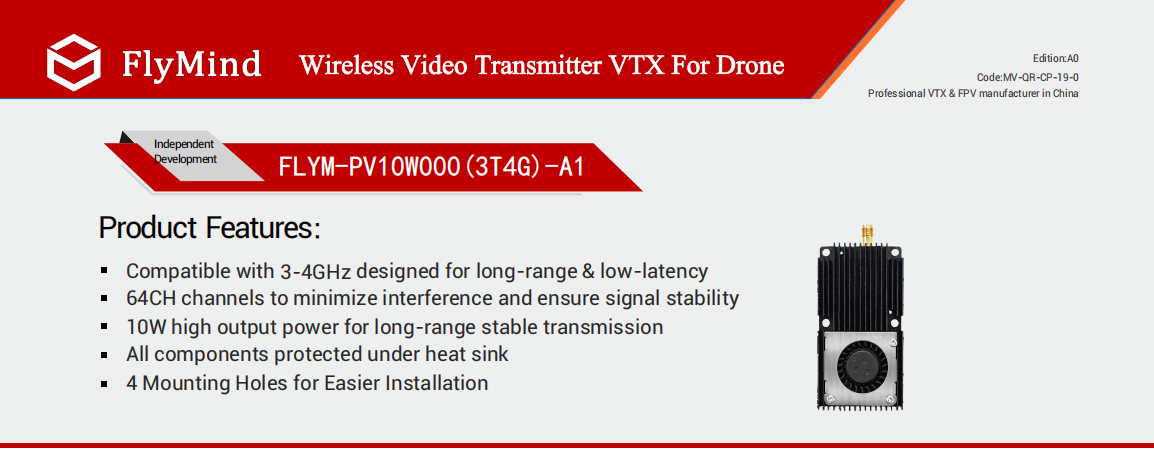
Compared with traditional 5.8G VTX, the 3–4GHz band features longer wavelength, stronger diffraction and better anti-blocking performance. It delivers far more stable video signals in urban building clusters, dense forests and hilly terrains. While 5.8GHz owns ultra-low latency and wide bandwidth, its signal is easily blocked by trees and buildings. 3.3GHz VTX is the optimal choice for industrial inspection, forest mapping, urban emergency monitoring and long-range missions with obstacles.
What is the maximum transmission range of 10W VTX?
It reaches 8-12 km in open areas. Thanks to strong diffraction capability, it maintains longer effective distance than 5.8G VTX under sheltered environments such as forests and buildings.
Does this 3.3GHz FPV transmitter have strong penetration and anti-interference performance?
Few civilian wireless devices operate on the 3–4GHz frequency band, which effectively avoids massive interference from WiFi, Bluetooth and 5.8GHz equipment. It brings lower noise floor, cleaner video without snow static and consistent RF link stability even in multi-drone fleets in crowded urban areas.
What UAV application scenarios suit this 3.3GHz high power VTX?
Widely applied in power line inspection, forest survey, mountain reconnaissance, urban emergency monitoring, fixed-wing long-range cruise and multi-rotor industrial drone projects. It perfectly solves frequent signal loss issues of 5.8GHz transmitters in obstructed environments that demand long-distance anti-block video links.
How stable is the 10W VTX under long-duration high-power operation?
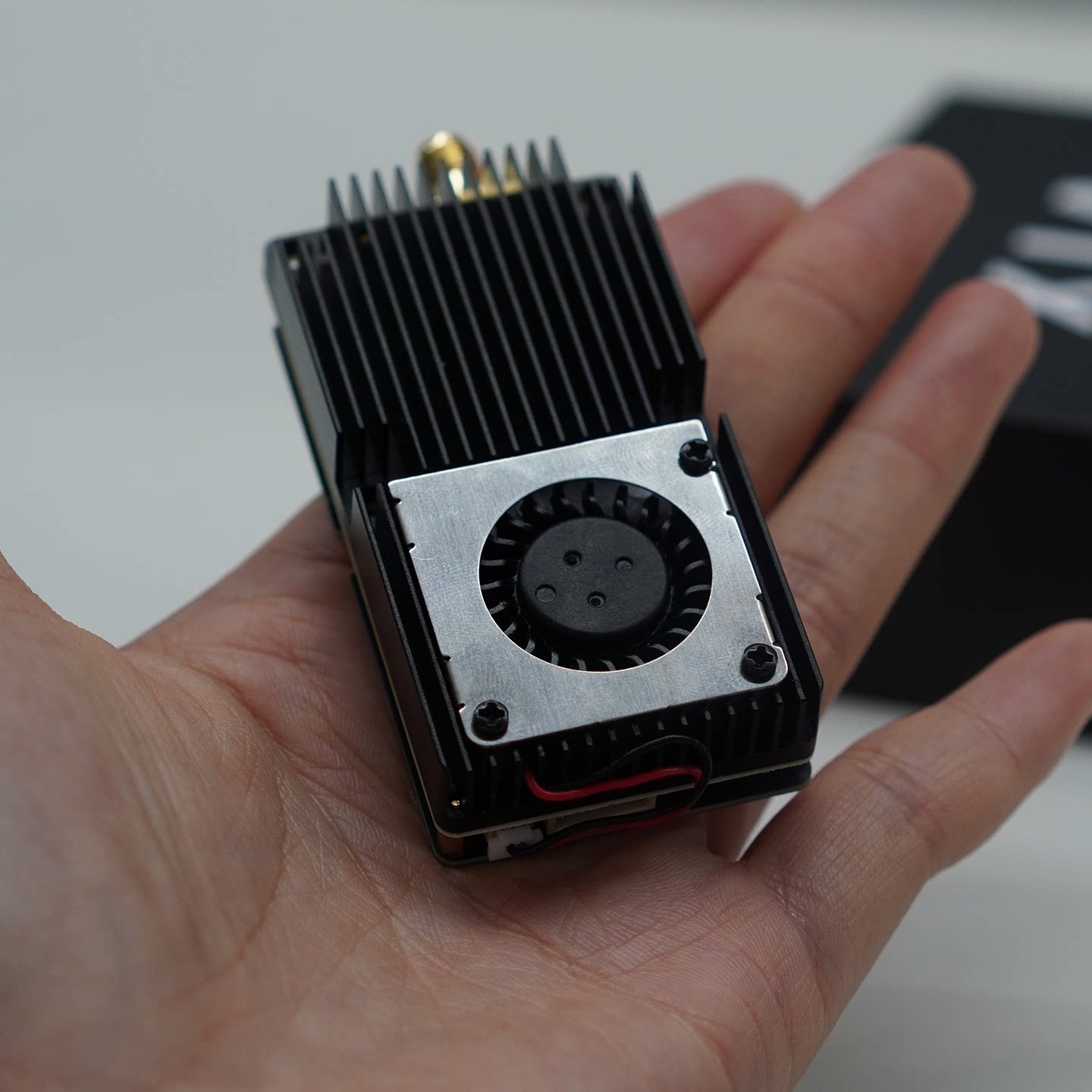
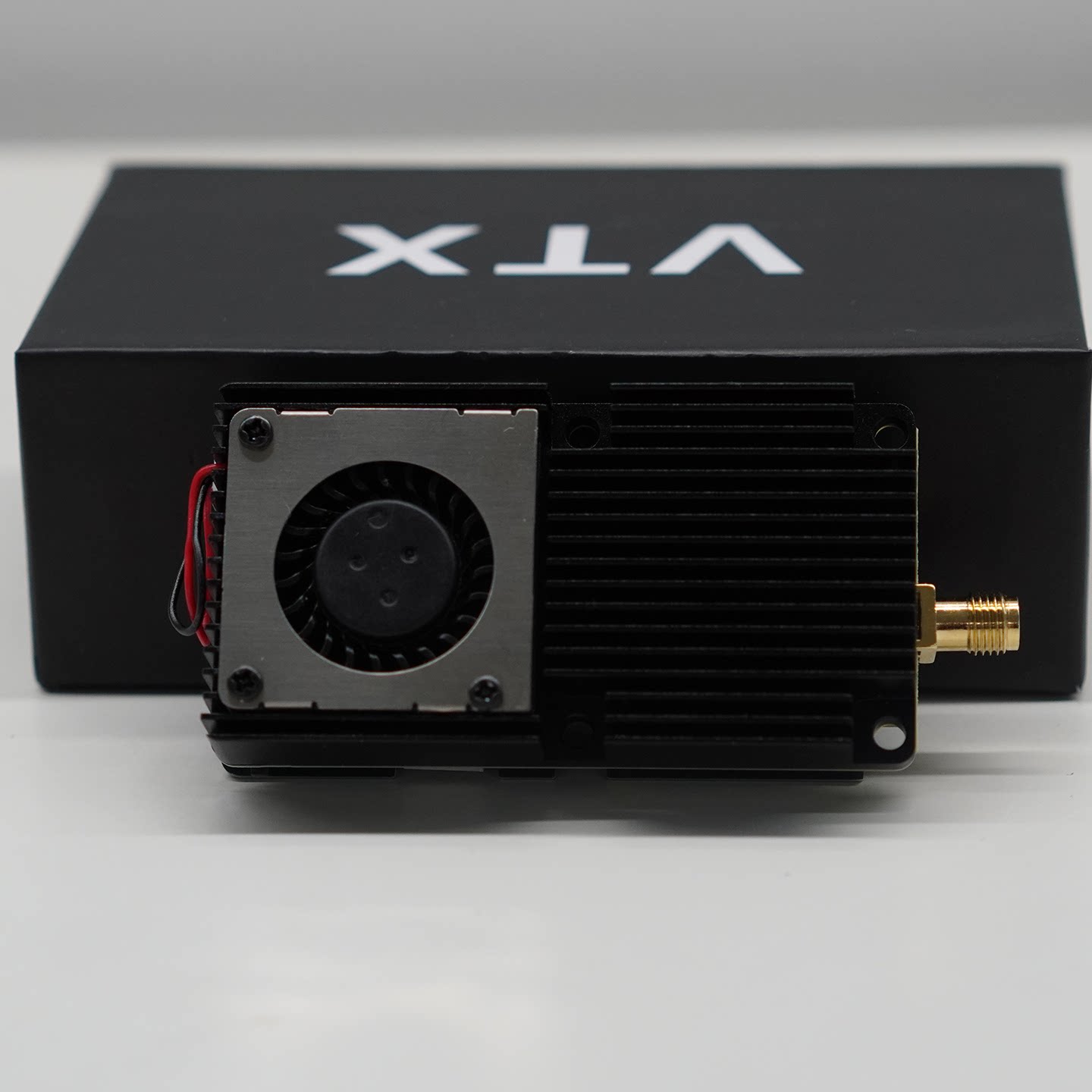
Equipped with professional RF power amplifier and high-efficiency cooling system including built-in cooling fan and full-coverage heat sink. It maintains steady 10W full-power output without power drop or thermal throttling during continuous long-time flight for outdoor industrial missions.
Can we customize frequency bands, power levels, channels or appearance via OEM & ODM?
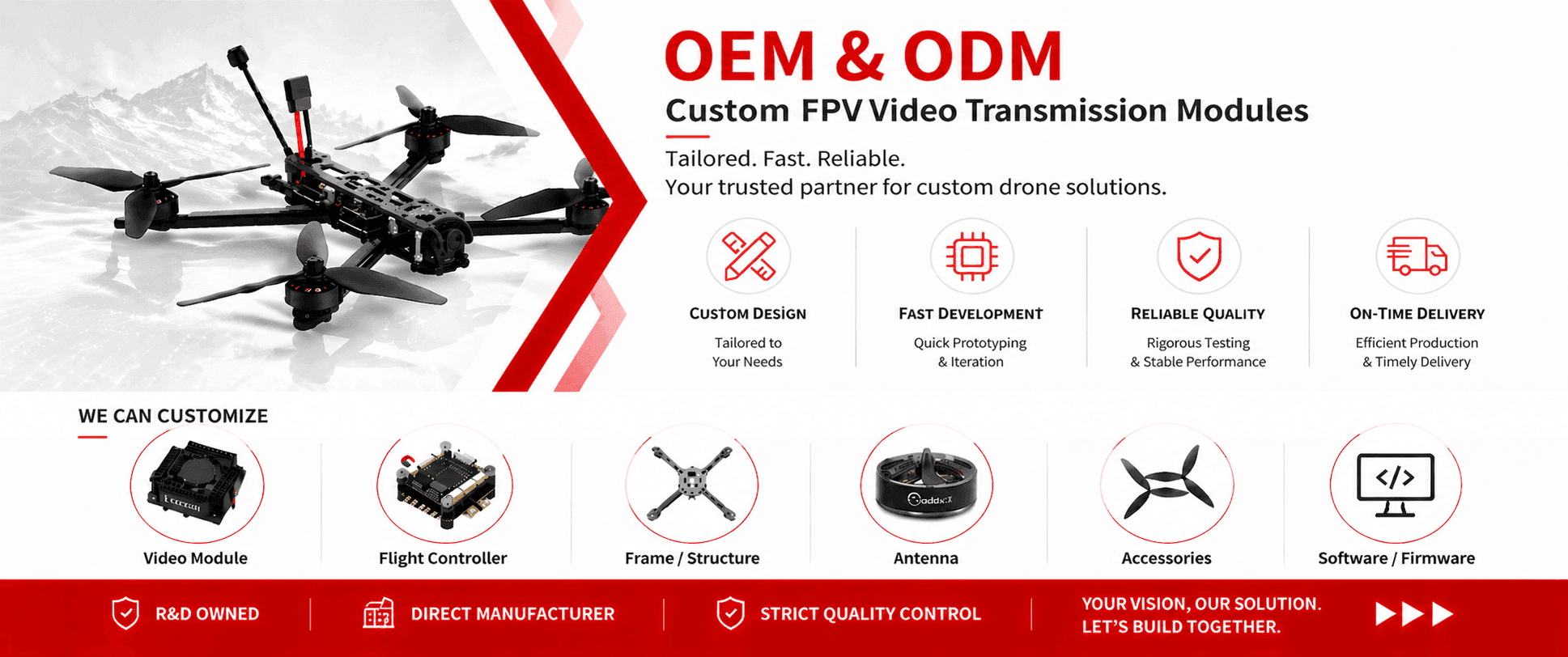
We provide full ODM/OEM customization services for industrial drone VTX: fine-tune frequency bands, adjust power gears, rearrange channel layout, print private logos, modify connector interfaces and develop exclusive hardware solutions for project-based orders.


Contact us
Name*
Tel
Mail*
Requst*